FREE DOWNLOAD CLICK HERE - Coupon code: webbywiz

FREE DOWNLOAD CLICK HERE - Coupon code: webbywiz
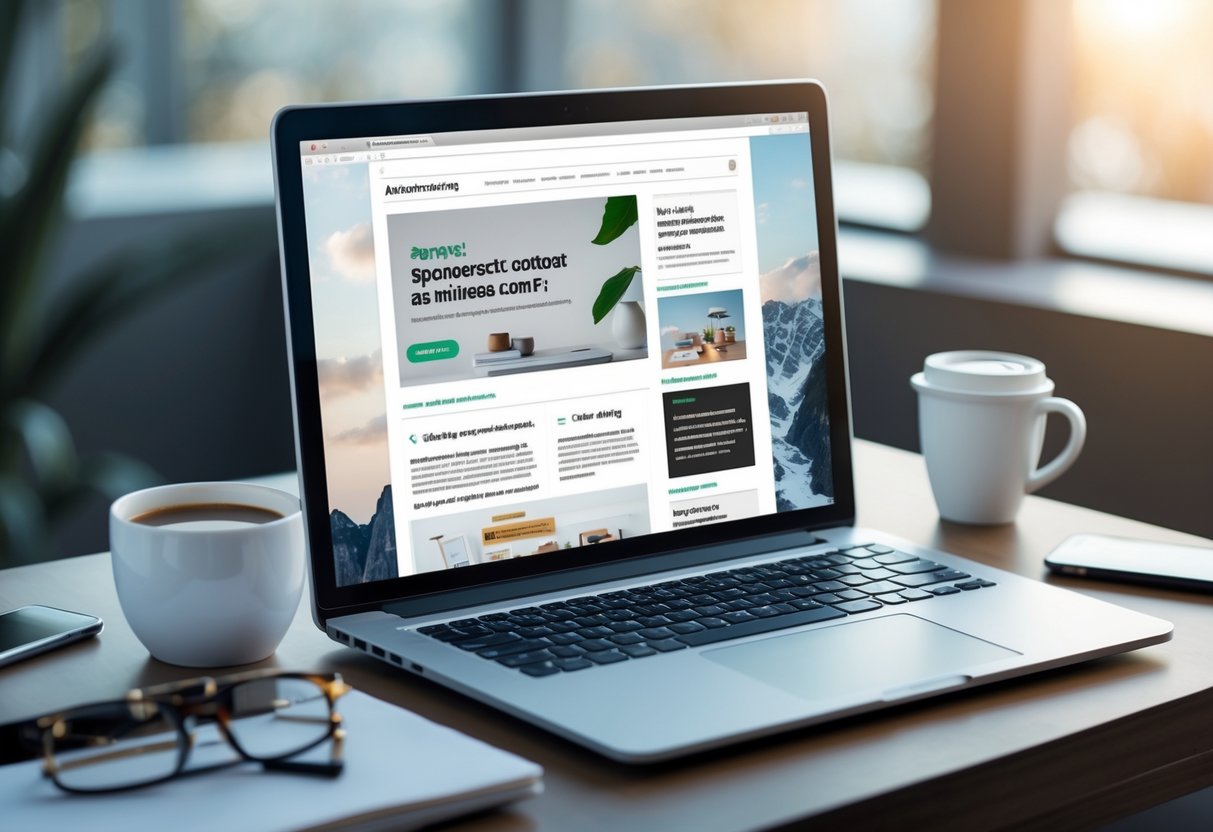
Native advertising is a type of paid ad that matches the look, style, and feel of the content around it, so it blends in and feels less disruptive to you as a reader. These ads show up in news feeds, as recommended articles, or even inside search results. They’re meant to feel like a natural part of your online scroll.
You might not even spot them right away, since they often look just like normal posts or stories. If you’ve ever clicked a sponsored story at the bottom of a news article or seen promoted listings at the top of a search page, you’ve already seen native advertising in action.
This approach makes ads more engaging and less likely to break your focus. It still gets info about brands or products in front of you, but in a way that doesn’t feel like an interruption.
Native advertising is a digital ad that fits right into the content you’re already browsing online. These ads blend in, making them less jarring and more relevant than traditional ads.
For an ad to count as native, it has to match the look, feel, and function of the platform it’s on. You’ll spot native ads as sponsored articles on news sites, promoted posts in your social feeds, or suggested content at the end of online stories.
What sets them apart is how much they mimic editorial content. You’re less likely to scroll past these compared to obvious banners. Native ads should always include a clear label, like “Sponsored” or “Promoted,” so you know it’s paid content.
Unlike product placement in movies, native ads are upfront about their advertising nature. The goal is a seamless experience for users, where ads offer something useful or entertaining instead of just distracting you.
Native ads stand out from traditional banners and pop-ups in a few big ways. Pop-ups and side banners tend to interrupt your browsing, and honestly, most people just ignore or block them.
Native ads, on the other hand, sit right in the content flow, making them less intrusive and more likely to catch your eye. According to groups like the Interactive Advertising Bureau, native ads have higher engagement rates, and people look at them 53% more often than display ads.
Instead of screaming for attention, native ads just try to fit in. Here’s a quick comparison:
| Feature | Native Ads | Traditional Ads |
|---|---|---|
| Placement | Within content | Side/top of page |
| Design | Matches platform | Separate, obvious |
| User Experience | Seamless | Often disruptive |
| Disclosure | Required | Sometimes unclear |
Native advertising took off as people started tuning out regular digital ads—a phenomenon called "banner blindness." By the early 2010s, publishers and brands wanted new ways to promote products without annoying everyone.
This led to native ads popping up on Facebook, Twitter, and big news sites. The Interactive Advertising Bureau came up with guidelines to help people tell native ads from regular content, focusing on transparency and trust.
Native ads aren’t just text or banners anymore. Now you’ll see video, interactive quizzes, and sponsored search listings. As advertising tech improved, native ads got more common, showing up on mobile and adapting to new content styles wherever you are online.
Native advertising matches the look and vibe of the content around it, blending right in. There are a few main formats you’ll probably come across.
In-feed ad units look pretty much just like the regular content in news feeds, social streams, or publisher sites. They show up alongside standard posts or articles, following the same style and layout.
You’ll see these a lot on Facebook, Instagram, Twitter, and news sites. They’re usually marked as "sponsored" or "promoted," but the idea is to avoid interrupting your browsing.
Key features of in-feed ad units:
When done well, in-feed ads let you interact without feeling yanked away from what you were reading.
Search ads and promoted listings are a special kind of native ad that show up in search results. They look like normal search listings, but they’re actually paid spots.
You’ll notice these in Google, Bing, or on shopping sites like Amazon and eBay. The ads match the format of other search results, using similar titles, descriptions, and sometimes images.
Typical characteristics include:
Promoted listings can boost your products in busy marketplaces without breaking the user’s search flow.
Recommendation widgets are another native format, usually found at the end or side of online articles. These widgets show a mix of paid and unpaid content as suggestions for more reading or exploring.
They’re often labeled "Recommended for you" or "You might also like." They use the same style and layout as the website, so they don’t stick out awkwardly.
Highlight features:
Recommendation widgets help you find more stuff you’re interested in, while giving advertisers a way to show their content without interrupting your reading.
Native advertising comes in a few main styles, each built to blend ads into content so they feel helpful or interesting—not like an interruption. Knowing the main types helps you pick what works for your message and audience.
Sponsored content is paid material that shows up in the same format as regular articles or videos on a publisher’s site. You’ll see these on news sites or blogs, usually labeled "Sponsored" or "Paid Post."
Sponsored content is often made by the publisher or in partnership with your brand. The goal is to give value or info, not just push a sale. For example:
| Type | Example | Label |
|---|---|---|
| Article | News site paid post | "Sponsored" |
| Video | Branded YouTube review | "Paid ad" |
This style works best for building trust and keeping users engaged. The content feels like it belongs, so people are less likely to ignore it.
Branded content is content marketing where your brand makes the material, often teaming up with a publisher. Unlike most ads, branded content focuses on stories and positive experiences—not just selling stuff.
This could be an article, documentary, podcast, or even an interactive web page that shows your brand’s values or expertise. Big publishers sometimes have editorial teams who work with brands to create high-quality features that fit their audience.
Branded content is usually marked as coming from your brand, but it’s made to be as relevant and interesting as what the publisher normally puts out.
Product placement is when your product or brand shows up inside entertainment or info content without interrupting the viewer. Instead of a separate ad, your product might be part of a TV show, film, or even a viral video.
With product placements, your brand just becomes a natural part of the story. Viewers see it used by a character or as part of the background. For example, a main character in a show might drink a popular soda, or a new gadget appears in a review video as part of the host’s daily routine.
Product placement can be subtle or pretty obvious, but it’s always about keeping the content flow smooth. It leans on association, not hard selling, so people notice your brand without feeling bombarded by ads.
Good native advertising campaigns need some planning. You’ve got to match ads with the right audience, reconnect with people through retargeting, and keep an eye on performance with clear metrics.
To build a strong native ad campaign, start by figuring out your target audience. Gather demographic data, user interests, and online habits.
Use this info to place ads on the channels your audience already hangs out on, like news sites or social media platforms. Here’s how you can break it down:
Native ads work best when they offer something relevant and look like the content your audience already enjoys. This makes them more engaging and helps build trust, since users don’t feel like they’re being interrupted.
Retargeting in native advertising lets you reach people who’ve already interacted with your brand. Maybe they visited your site but didn’t buy anything or sign up.
You can use pixels and cookies to track user behavior and show native ads that pop up again on partner sites or social platforms. Retargeted ads remind users about your products or offer deals based on what they checked out before, which can nudge them closer to buying.
Benefits of retargeting:
If you manage retargeting carefully, it can boost results without annoying your audience.
To get the most from native ad campaigns, keep a close eye on key metrics. Watch your click-through rate (CTR), cost per click (CPC), and cost per acquisition (CPA).
Track engagement, like time spent on the page or shares and comments. Run A/B tests to compare designs and messages, and tweak your campaign based on what the numbers show.
Important metrics to track:
| Metric | What It Shows |
|---|---|
| CTR | Interest and ad relevance |
| CPC | Budget efficiency |
| CPA | Cost of converting users |
| ROI | Overall campaign success |
Check in regularly and make adjustments. That’s how you keep campaigns effective and on track with your goals.
Native advertising connects you with your audience by matching the look and feel of the platform. It supports your marketing goals in a way that feels less intrusive than old-school ads.
Native ads slide right into your audience’s usual experience on websites or social media. Since they match the platform’s style, people don’t get annoyed or distracted as easily.
| Ad Type | Format Example | Disruption Level |
|---|---|---|
| Native Ad | Sponsored Instagram post | Low |
| Banner Ad | Popup display on website | High |
When ads blend in, users experience less ad fatigue and can engage more naturally. They don’t feel like you’re selling to them—they feel like you’re adding something to their feed.
People tend to trust your brand more if their experience is smooth and not jarring. That trust makes it more likely they’ll remember your message and stick around.
Native ads don’t just push products—they make your brand pop up in places your audience already hangs out. You can drop helpful tips, stories, or news that fit right in with the rest of the content.
When your ads look and feel like normal posts, people recognize your brand in a context they already trust. That’s how you stick in their minds and build long-term awareness.
It’s not just about being seen—it’s about being seen as a trusted resource. That’s how you position your brand in your field.
Native ads usually get more clicks and shares than traditional ads. People are way more likely to interact with content that matches their interests and doesn’t interrupt their scroll.
Sponsored articles or recommended posts that blend in tend to grab more attention. You can track things like click-through rates, time on page, and social shares to see what’s actually resonating.
This data gives you a clearer picture of what’s working, so you can tweak your campaigns. If your content’s relevant and valuable, people are just more likely to engage and respond to your call to action.
Native ads work best when they blend in, offer value, and don’t break your audience’s trust. Big brands and creative influencer collaborations really push the bar for what native ads can do.
Being up front about sponsored content is huge. Clearly labeling ads as “Sponsored” or “Paid” lets your audience know what’s what and keeps things honest.
Platforms like Facebook and Instagram require visible disclosure anyway. If you try to hide that something’s an ad, people feel tricked—and that’s a quick way to lose trust.
It’s also a legal thing in a lot of places. The FTC in the U.S., for example, says you have to label ads clearly. Use labels like “Partner Content” or “Advertiser Story,” especially on sites like Elle or BuzzFeed.
Some brands have really nailed native ads. Sony’s TikTok campaign for ULT Wear headphones, for example, used trending memes to grab attention, then shifted to highlight the product. The ad just fit right in and got people talking.
Xerox ran a LinkedIn campaign with employee interviews. These posts looked like regular career stories but were marked as sponsored. That honest vibe helped boost their brand image and trust with the audience.
BuzzFeed’s famous for branded quizzes that sneak in product or movie promos. Their Marvel movie quizzes are fun and subtly introduce new releases or merch, keeping users entertained while still marketing.
Influencers play a huge role in native ad success. Their recommendations usually feel authentic, which really matters to people scrolling through their feeds.
They slip sponsored products into their usual content. Suddenly, a promo looks less like an ad and more like a genuine shoutout.
When Elle teams up with influencers for style guides or beauty reviews, it gets tricky to spot where the ad ends and the editorial starts. Disclosure marks help, but it's still a bit of a blur.
Brands that work with local influencers or niche experts tend to connect better with specific audiences. You can just tell when an influencer really gets their followers.
Influencer partnerships need to match the influencer’s style and what their audience actually cares about. If a post feels forced or totally random, people pick up on it—and usually scroll right past.
Give influencers clear but flexible guidelines for transparency and tone. It helps keep trust alive, which is kind of everything in this game.

About The Author
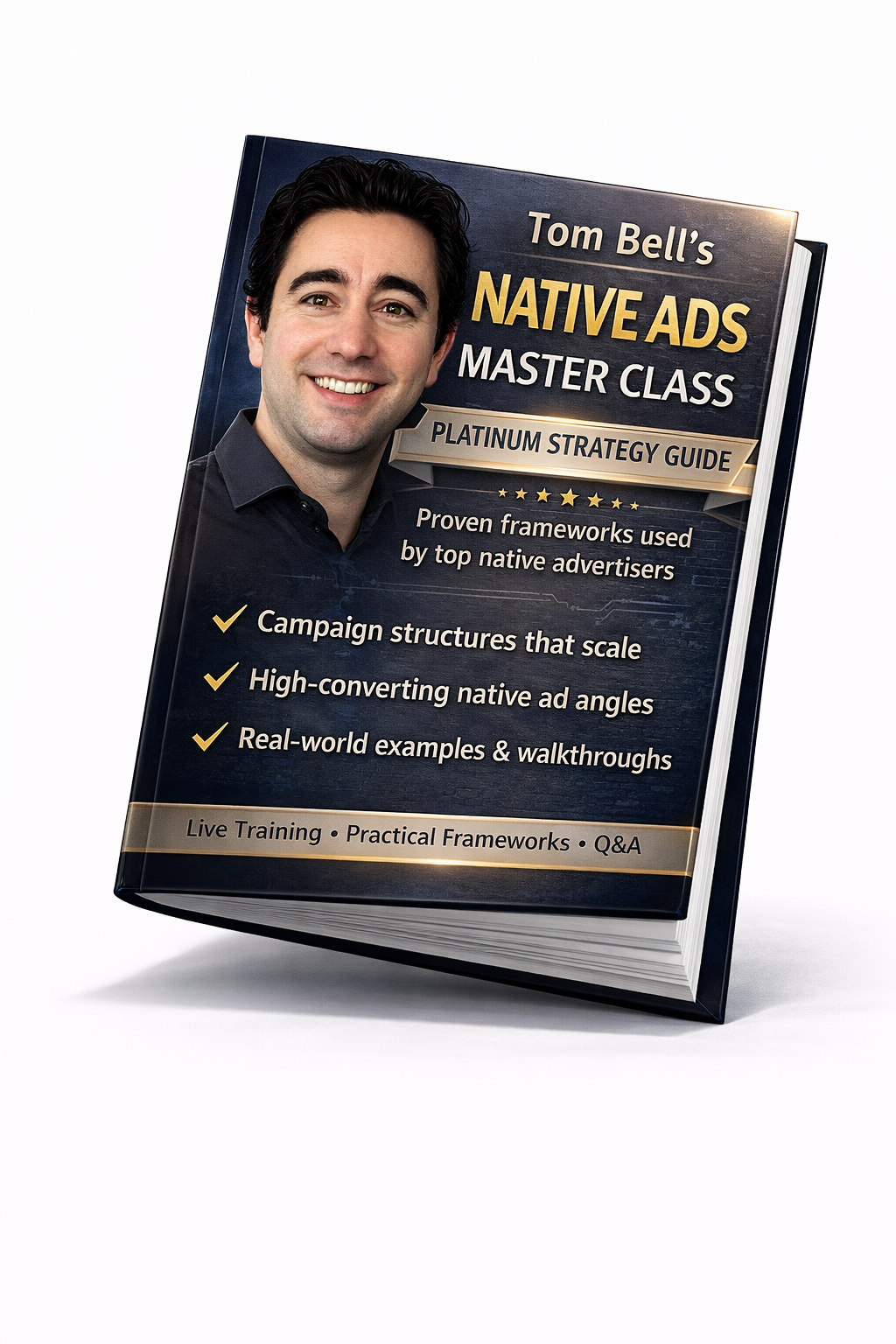
Hi, it’s Rosa! Thank you so much for taking the time to visit my site. I’m genuinely grateful you’re here. I’ve always believed that the right training can change everything — especially when it comes to traffic. There are so many platforms, strategies, and voices out there that it’s easy to feel overwhelmed. That’s why I only share products and programs that I truly believe can help people grow with clarity and confidence. Right now, that traffic source is native advertising, and it’s one of the most powerful ways to scale without relying on complicated tech or overcrowded platforms. I’m not here to overload you with endless options. I’m here to point you toward one training course and one mentor who has the experience, track record, and heart for teaching: Tom Bell and his Native Ads Master Class. If you’re ready to level up your traffic, understand native ads the right way, and learn from someone who has mastered the craft, you’re in the right place. I’m excited to share this journey with you — and even more excited to see where it takes you.
Imagine how your life would change if you could generate $1,000’s online every single day!
Coupon Code: WEBBYWIZ
No posts found...
